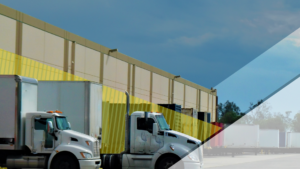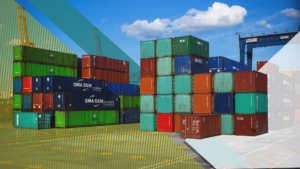

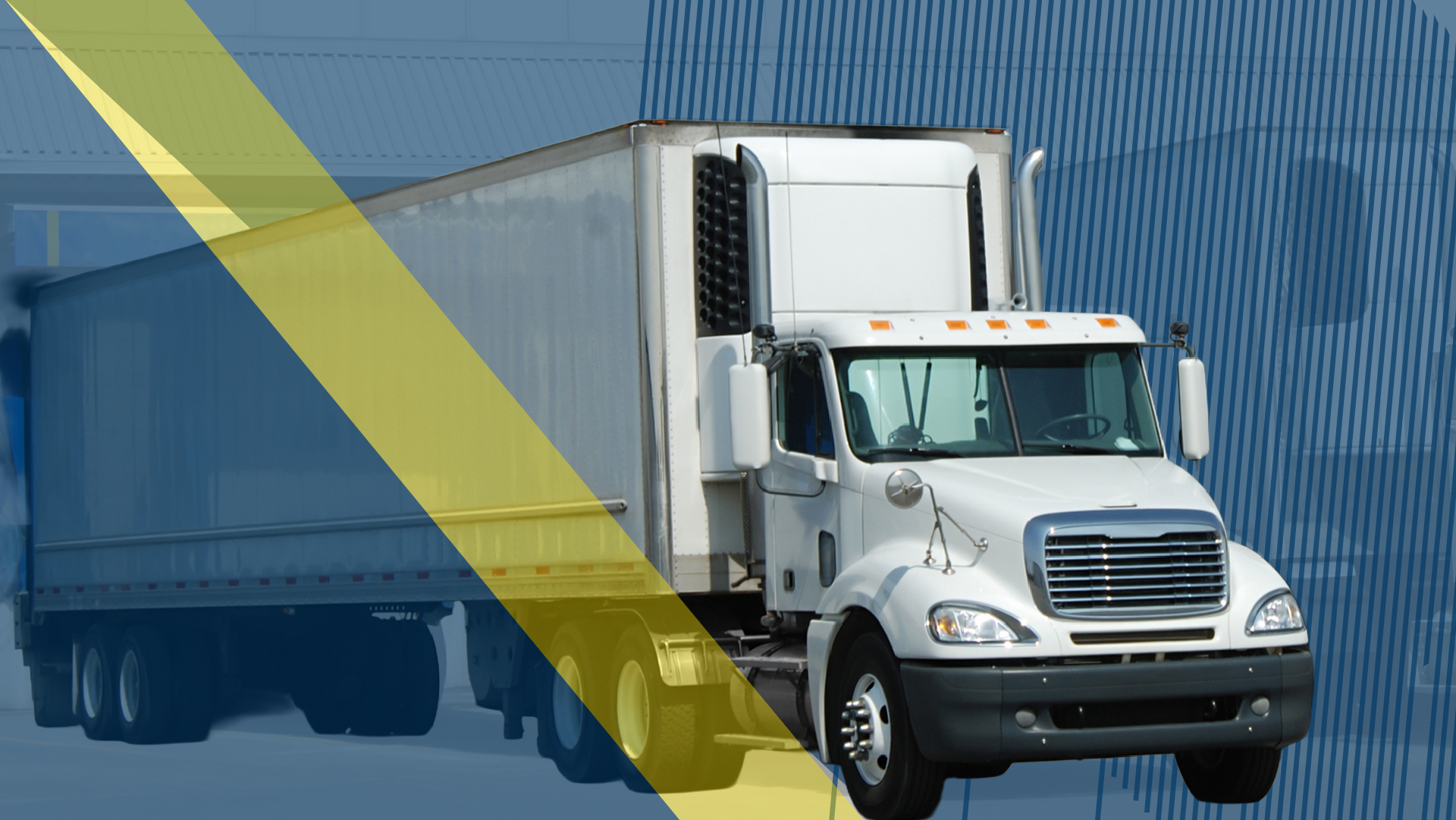
One powerful strategy for reducing cost and complexity is cross-docking. In simple terms, cross-docking is a logistics process where inbound goods are transferred directly from incoming trailers or containers to outbound trailers with minimal or no storage in between. Rather than sit in a warehouse, products flow quickly through a dock, reducing dwell time, storage costs, and handling.
- Established networks of regional and national cross‐dock-capable facilities,
- Technology (WMS, TMS, visibility tools) to coordinate real-time transfers and optimize load consolidations,
- Operational flexibility and labor trained for fast pallet turns and detailed sorting, and
- Carrier relationships that enable pooling, drop trailers, or scheduling efficiencies.
In this post, we’ll explore how using 3PLs for cross-docking isn’t just a logistics “nice to have” — it’s becoming essential for companies who want to save on freight, reduce inventory costs, and stay competitive in volatile supply chains.
What is Cross-Docking and Why Does it Matter?
Traditional Warehousing vs. Cross-Docking
- Traditional warehousing involves receiving freight, storing it until orders are ready, then picking, packing, and shipping. While effective for long-term inventory, this model adds labor, storage fees, and dwell time.
- Cross-docking, on the other hand, bypasses long storage periods. Freight is staged only long enough to be sorted, consolidated, or broken down before heading back out the door. The result: fewer touches, reduced carrying costs, and faster delivery windows.
Types of Cross-Docking
Cross-docking isn’t a one-size-fits-all solution—it comes in several forms:
- Consolidation Cross-Docking: Multiple inbound shipments from different vendors are combined into a single, cost-efficient outbound load. Example: consolidating LTL shipments into a full truckload bound for a retailer’s distribution center.
- Deconsolidation Cross-Docking: A single large inbound load is broken into multiple outbound shipments for delivery to different customers or regions. Example: a container arriving at port is split for regional distribution across the Midwest.
- Opportunistic Cross-Docking: Real-time re-routing of products already in transit to meet immediate demand—often used in e-commerce, retail promotions, or seasonal spikes.
Why Cross-Docking is Growing
For shippers, the “why it matters” is clear: cross-docking translates directly into lower freight costs, reduced warehousing expenses, and a logistics model built for responsiveness. Several forces are pushing cross-docking into the spotlight as a must-have logistics strategy:
E-commerce growth: Online retail continues to rise at double-digit rates in many sectors. Fast delivery expectations (same-day or next-day) require product to move quickly from supplier to customer without lengthy storage. Cross-docking supports this by minimizing dwell time and expediting last-mile distribution.
Retail compliance requirements: Major retailers increasingly enforce strict delivery windows, chargebacks, and penalties for late or partial shipments. Cross-docking helps align vendor shipments into consolidated loads that arrive on time and in compliance.
Sustainability goals: Fewer storage days and fewer trucks running half-empty translates to lower carbon emissions. Many brands are leaning into cross-docking as part of their broader ESG (Environmental, Social, Governance) commitments.
Technology enablement: Advances in TMS (Transportation Management Systems), WMS (Warehouse Management Systems), and real-time visibility platforms have made it easier to coordinate cross-dock operations. With better forecasting, load planning, and inventory tracking, the once “complex” process is now far more manageable.
How 3PLs Provide Cross-Dock Capabilities
While any company can attempt cross-docking on its own, 3PLs (Third-Party Logistics providers) are uniquely positioned to deliver this service at scale and with cost efficiency. Their networks, systems, and partnerships create advantages that individual shippers would struggle to replicate.
National & Regional Network of Facilities
Technology Integration for Seamless Transfers Weight Charges
- Real-time tracking of inbound and outbound shipments, Automated load planning and routing,
- Accurate labeling, scanning, and compliance checks.
Skilled Labor & Specialized Equipment
- Break down inbound loads,
- Rebuild consolidated outbound shipments,
- Apply labels for retail compliance,
- Ensure accurate sequencing for time-sensitive deliveries.
This expertise minimizes errors and speeds up throughput, reducing costly mis-shipments.
Carrier Relationships & Freight Optimization
- Drop-trailer programs, reducing detention and keeping freight moving,
- Load pooling, which combines shipments from multiple shippers into cost-efficient truckloads,
- Linehaul coordination, ensuring efficient long-haul movements followed by cross-dock redistribution for regional delivery.
These carrier relationships create leverage that individual shippers often cannot access.
Additional Advantages of 3PL Cross-Dock Operations
- Temporary Storage Flexibility: Even though cross-docking minimizes storage, 3PLs often have overflow or short-term staging areas available. This is critical when inbound and outbound trucks don’t align perfectly.
- Dock Space Availability: Many 3PLs operate larger facilities with multiple dock doors, which provides the capacity to handle simultaneous inbound and outbound activity that single-site shippers cannot manage.
- Surge Capacity for Peak Seasons: Because 3PLs serve multiple clients, they can flex labor and dock space during holiday peaks, product launches, or promotions, smoothing out demand spikes.
- Value-Added Services: Beyond basic transfer, 3PLs can provide light kitting, pallet reconfiguration, stretch wrapping, or relabeling during cross-dock—adding value without sending goods into storage.
- Safety & Compliance Standards: 3PLs maintain OSHA-trained crews and established SOPs, reducing risk of damage, delays, or compliance errors during rapid handling.
Cost Savings from Cross-Docking
At a time when supply chain budgets are stretched, cross-docking stands out as one of the most direct ways to cut freight and logistics costs. By minimizing storage, consolidating freight, and streamlining delivery flows, companies unlock savings across multiple categories.
Reduced Warehousing & Storage Fees
Because freight moves quickly through a cross-dock, goods spend little or no time in storage. This cuts carrying costs, pallet storage charges, and excess handling fees. For high-volume shippers, even a one- or two-day reduction in average dwell time can translate into substantial annual savings.
Lower Transportation Costs
Cross-docking allows shippers to consolidate multiple LTL (less-than-truckload) shipments into full truckload (FTL) moves, dramatically reducing per-unit shipping costs. According to the Council of Supply Chain Management Professionals (CSCMP), transportation accounts for nearly 65% of total logistics costs for many U.S. companies. Consolidation through cross-docking helps maximize trailer utilization, trim empty miles, and reduce the number of carriers required.
Decreased Handling & Product Damage
Improved Delivery Times
Cross-docking accelerates the supply chain by keeping goods in motion. Instead of waiting in a warehouse until orders are filled, freight moves directly from inbound trucks to outbound carriers. This not only reduces costly delays and retailer chargebacks but also positions shippers to meet rising e-commerce expectations for same-day or next-day delivery. Faster throughput improves customer satisfaction while reducing penalty fees from late or partial deliveries.
Case Study: RLS Logistics & a Frozen Foods Manufacturer
The Situation
A frozen pasta manufacturer in the New York metro area was dealing with high costs in both warehousing and transportation. They used multiple 3PLs and carriers without a unified strategy, resulting in many shipments being handled inefficiently: some orders shipped as full truckloads when they could have been consolidated, others as LTL when the volume warranted something different. Delays, excess costs, and underutilized carrier relationships were eating into margins.
What RLS Logistics Did
- Shifted many inbound raw materials and packaging from delivered freight to customer‐pickup or arranged for carriers to combine backhauls.
- Used their cold storage & cross‐dock warehouses to consolidate outbound shipments (particularly to retail chains and food service customers) to optimize load planning.
- Employed better technology and performance tracking, including tools to distinguish when to ship LTL vs. full truckload vs. combined loads.
Results
- The manufacturer achieved significant cost savings on outbound transportation after implementing consolidation and more efficient routing with the 3PL.
- They improved on-time delivery performance to key customers.
They reduced excess warehousing / holding costs by better using the 3PL’s cold storage and cross‐dock capabilities.
When Cross-Docking Makes the Most Sense
Cross-docking is not a universal solution, but for the right types of freight and distribution models, it can deliver significant cost and service advantages. Here are some of the most common scenarios where cross-docking proves especially valuable:
High-Volume, Time-Sensitive Freight
Suppliers Shipping Partial Loads Into a Single Market
When multiple suppliers send partial truckloads into the same geographic region, costs can spiral if each is shipped individually. Cross-docking allows these partial shipments to be consolidated into full truckloads, reducing overall transportation expense while simplifying scheduling.
E-Commerce & Omnichannel Retailers
Businesses with Multiple Vendors Shipping to the Same End Customer
Big-box retailers and distribution centers often receive shipments from dozens of vendors. Without cross-docking, this can mean a flood of small LTL deliveries—inefficient and costly. Cross-docking consolidates those shipments into fewer, coordinated loads, reducing inbound congestion and avoiding retailer chargebacks for late or fragmented deliveries.
Challenges & How 3PLs Mitigate Them
While cross-docking offers clear benefits, it’s not without challenges. The process requires precise coordination, technology integration, and reliable execution. This is where 3PLs shine—turning potential obstacles into opportunities for cost savings and efficiency.
Coordination Complexity
- How 3PLs help: 3PLs use integrated TMS (Transportation Management Systems) and WMS (Warehouse Management Systems) to synchronize arrivals and departures. Automated scheduling tools and real-time visibility ensure that trucks aren’t waiting idle, cutting detention costs and improving throughput.
Risk of Misrouted Freight
Because cross-docking minimizes storage, a single labeling error can cause costly delays or mis-shipment.
- How 3PLs help: 3PLs deploy barcode scanning, RFID, and automated labeling systems to validate every transfer. This accuracy reduces the risk of claims and chargebacks.
Carrier Alignment
Cross-docking only works if inbound and outbound carriers are tightly aligned. Without strong relationships, mismatched schedules can cause bottlenecks.
- How 3PLs help: Because 3PLs manage large freight volumes, they have established contracts and carrier partnerships. This leverage enables smoother handoffs, drop-trailer programs, and pooled loads that keep freight flowing without costly downtime.
Initial Setup & Change Management
For companies new to cross-docking, the transition can feel daunting. Shifting freight flows and retraining staff comes with risk.
- How 3PLs help: Experienced 3PLs design pilot programs and phased rollouts, proving ROI in controlled stages before scaling. This reduces risk, builds internal confidence, and ensures the model is optimized before going fully live.
Conclusion: Smarter Freight Starts with Cross-Docking
Cross-docking isn’t just a logistics tactic—it’s a proven strategy to reduce costs, accelerate delivery times, and make supply chains more resilient. By minimizing storage, consolidating freight, and leveraging a 3PL’s network, technology, and carrier relationships, businesses can capture savings that go far beyond line-item shipping rates.
At Nautical, we help brands put these advantages into practice. With our centrally located Kansas City facility, deep carrier partnerships, and hands-on operations team, we make cross-docking simple, scalable, and cost-effective.
📦 Ready to see how much you can save?
Contact us today to discuss your cross-docking needs and get a custom freight savings analysis.