

A robust eCommerce shipping strategy is crucial for maintaining profitability, particularly when handling high volumes of orders. As online shopping continues to expand across nearly every industry, businesses must understand the range of shipping options available and the additional factors that ensure smooth, timely deliveries. This guide outlines everything businesses need to know to build an eCommerce shipping solution that supports both growth and customer satisfaction.
What Is Ecommerce Shipping?
eCommerce shipping refers to the services required to move products purchased online from a retailer to the customer’s doorstep. This process involves order handling, packaging, carrier selection, and delivery. Many businesses partner with a third-party logistics (3PL) provider to streamline this process, which can help improve affordability, delivery speed, and customer satisfaction.
Why Is Ecommerce Shipping So Important?
Shipping is a critical part of the online shopping experience. Nearly 66 percent of shoppers say that shipping speed influences their purchasing decisions, and 70 percent have abandoned carts due to unexpected shipping costs or delays. A solid eCommerce shipping strategy can:
- Reduce cart abandonment
- Improve brand trust and repeat business
- Support scalable growth
- Enhance the overall customer experience
Ecommerce Shipping Process – Breakdown
The shipping process for ecommerce orders can be broken down into four key steps: order receiving, order processing, order fulfillment, and most importantly final delivery.
Order Receiving
Order receiving is the first step in the ecommerce fulfillment process. Once a customer places an order, the system must capture it accurately and forward the information to the warehouse or fulfillment center. This step includes confirming product availability, generating order numbers, and syncing the transaction across sales channels and inventory systems. Any delay or error here can cause fulfillment bottlenecks down the line.
Key components of successful order receiving:
- Inventory synchronization with ecommerce platforms
- Real-time order alerts for warehouse teams
- Automated batching for multi-item or high-volume orders

Order Processing
After the order is received, it moves into the processing stage. This includes verifying payment, checking for fraud, assigning the order to a picking zone, and generating a pick list. Efficient order processing reduces manual errors and speeds up the entire shipping workflow.
What happens during order processing:
- Fraud detection and payment validation
- SKU verification and item prioritization
- Pick list and packing slip generation
Order Fulfillment
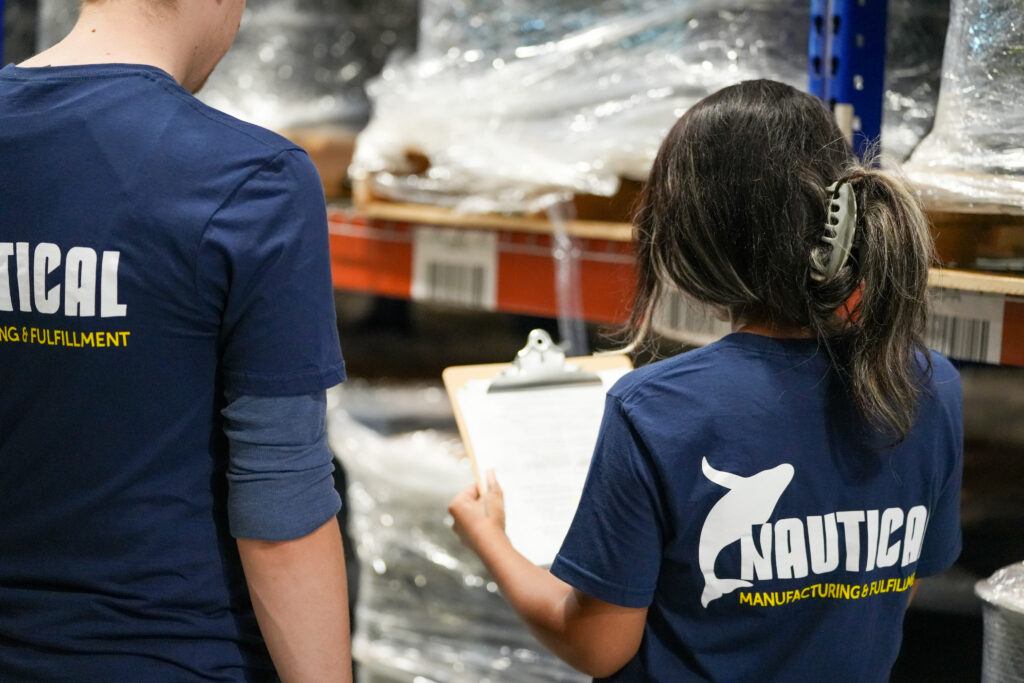
Order fulfillment involves physically picking items from shelves, packing them securely, and labeling them for shipment. This is where accuracy and speed converge. A poorly packed order can result in damage or returns, while slow fulfillment can lead to customer dissatisfaction.
Fulfillment best practices include:
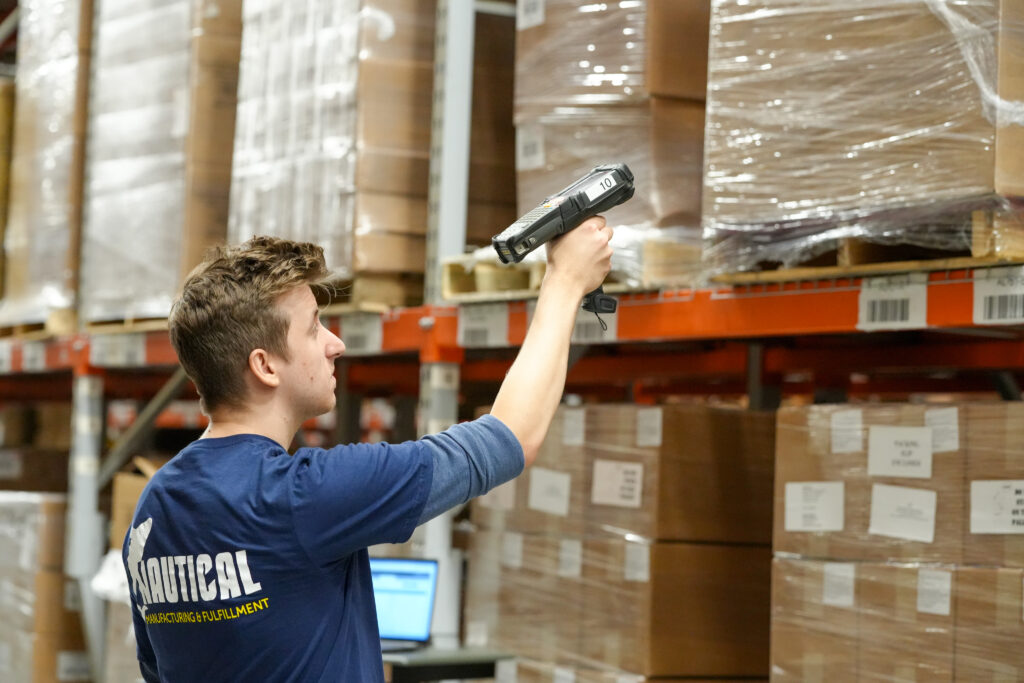
- Barcode scanning to reduce picking errors
- Custom packaging options to protect goods and reduce shipping costs
- Quality checks to ensure correct and intact items
Final Delivery
Final delivery is the most visible part of the shipping journey for your customers. Once the package leaves the facility, it’s in the hands of the carrier. This phase includes transit, tracking updates, and the successful handoff to the customer. Fast and reliable delivery leaves a lasting impression and is often the deciding factor for repeat business.
Considerations during this stage:
- Carrier selection based on speed, cost, and reliability
- Branded tracking pages and proactive status updates
- Last-mile delivery optimization
Shipping Methods For Ecommerce Orders
Two-Day Shipping
Two-day shipping has become a standard expectation for many consumers thanks to services like Amazon Prime. To offer it profitably, businesses need regional warehousing or a reliable 3PL partner.
Best for:
- High-demand, fast-moving items
- Competitive advantage in crowded markets
- Reducing cart abandonment
Same Day Delivery
Same day delivery offers the ultimate convenience for customers, especially in urban areas. It works well for businesses with local inventory or micro-fulfillment centers, but can be costly and complex to execute.
Ideal for:
- Medical supplies, food, or perishables
- Local-only promotions or events
- Improving last-minute conversion rates
Overnight Shipping
Overnight delivery is a premium option that appeals to urgent buyers. It requires tight cutoffs, accurate fulfillment, and reliable carrier partnerships. While expensive, it boosts customer satisfaction when offered strategically.
Use it for:
- Emergency or time-sensitive items
- VIP customers or high-ticket orders
- Gifting and holiday shopping
Expedited Shipping
Expedited shipping is faster than standard options but more affordable than overnight delivery. It offers a good balance between speed and cost, making it a popular upsell option during checkout.
When to use:
- To encourage larger order sizes with shipping upgrades
- During promotions or product launches
- For time-sensitive but non-urgent orders
International Shipping
Offering international shipping can significantly expand your customer base. However, it comes with challenges like customs paperwork, longer transit times, and higher costs. Transparent policies and clear delivery estimates are key.
International best practices:
- Duties and taxes estimation upfront
- Multi-currency and multilingual checkout
- Localized return policies
Eco-Friendly Shipping
Sustainable shipping options are gaining traction, especially among younger shoppers. This can include biodegradable packaging, carbon-neutral delivery, or consolidation practices to reduce emissions.
Green shipping strategies:
- Minimal, recyclable packaging
- Reusable mailers
- Offset programs with carriers like UPS or DHL
Freight Delivery
Freight delivery is essential for heavy or bulk orders that can’t be shipped through standard parcel services. Options include Less-Than-Truckload (LTL), Full Truckload (FTL), and pallet shipping. It’s common in B2B and oversized consumer goods.
Use cases include:
- Furniture, appliances, or large equipment
- Wholesale or distributor orders
- Multi-unit shipments to retailers
Cost Breakdown For Ecommerce Shipping
| Cost Type | Description | Average Cost Per Order |
|---|---|---|
|
Standard Carrier Fees |
Charges by shipping carriers based on weight, size, speed, and destination. |
~$6.00 – $10.00
|
|
Packaging |
Materials used to protect and ship items, including boxes, tape, and padding. |
$0.50 – $2.00
|
|
Labor |
Wages for warehouse workers to pick, pack, and ship each order.
|
~$2.40 – $3.00
|
|
Software Tools |
Platforms used to manage shipping, create labels, and track orders. |
~$0.10 – $0.50
|
|
Label Printing |
Cost of thermal labels, printers, and ink or adhesive supplies.
|
~$0.05
|
|
Storage Fees |
Cost to store inventory in a warehouse or fulfillment center.
|
~$0.46/cu ft or ~$20/pallet |
|
Returns Handling |
Includes return labels, restocking labor, and repackaging supplies. |
~$3.55 |
|
Fees based on package volume rather than actual weight.
|
Varies |
Ecommerce Shipping Rate Structures
Flat Rate Shipping
With flat rate shipping, customers pay a fixed amount regardless of their order size or location. This simplifies checkout and increases transparency, but you may lose money on heavy or distant orders if not calculated carefully.
| Pros | Cons |
|---|---|
|
Easy to communicate
|
Can undercut margins on some orders
|
|
Encourages larger orders
|
May overcharge nearby customers
|
|
Predictable for budgeting
|
Lack of pricing transparency for customers
|
Real-Time Rates
Real-time rates pull directly from carriers (like UPS or USPS) during checkout. This ensures accurate pricing and reduces the risk of undercharging, though it can lead to customer hesitation due to fluctuating fees.
| Pros | Cons |
|---|---|
|
Accurate and dynamic
|
Can complicate the checkout process
|
|
Builds customer trust
|
May reduce conversion if rates seem high
|
|
Reflects real shipping costs
|
Dependent on carrier API accuracy and uptime |
Free Shipping
Free shipping is one of the strongest motivators for online purchases. Whether it’s offered sitewide or above a certain cart threshold, it should be built into your pricing or absorbed through efficiencies.
| Pros | Cons |
|---|---|
|
Reduces cart abandonment
|
Cuts into profit margins
|
|
Encourages higher average order value (AOV)
|
Not sustainable for all order sizes or distances
|
|
Competitive differentiator
|
Risk of abuse or returns |
Other Considerations In Your Ecommerce Strategy
Packaging Solutions
Your packaging affects both logistics and customer perception. Right-sizing packaging helps reduce shipping costs, while branded or eco-conscious materials enhance the unboxing experience and boost retention.
Key considerations:
- Protectiveness for fragile or perishable items
- Branded packaging for marketing impact
- Eco-friendly materials to reduce waste
Returns Management
A seamless return process is crucial for ecommerce success. Poor return experiences can erode trust, while flexible and fair policies help retain customers.
Best practices include:
- Prepaid return labels to simplify the process
- Clear timelines for returns and refunds
- Return portals with step-by-step instructions
Integrations
Your ecommerce shipping strategy should integrate with your storefront, warehouse management system (WMS), customer relationship management (CRM) platform, and carrier networks. These connections allow for better data flow, automation, and customer communication.
Important integrations:
- Shopify, WooCommerce, or BigCommerce
- Shipping software like ShipStation or EasyPost
- WMS and inventory platforms
Work With Nautical To Support Your Ecommerce Business
At Nautical Manufacturing & Fulfillment, we help eCommerce brands create reliable and cost-effective shipping solutions. Whether you need support with fulfillment, packaging, returns, or shipping method optimization, our team is ready to help you grow. We combine scalable warehouse operations with real-time visibility and experienced logistics support to ensure your customers always receive the service they expect. Let’s work together to simplify your shipping strategy and take your eCommerce business to the next level.
Frequently Asked Questions – Ecommerce Shipping
What is the cheapest way to ship ecommerce products?
The most cost-effective shipping method depends on package size, weight, and destination. For small, lightweight items, USPS First-Class or UPS SurePost are popular low-cost options. Flat-rate shipping with USPS or pre-negotiated rates through a 3PL partner can also lower costs.
Tips to reduce shipping expenses:
- Use right-sized packaging to avoid dimensional weight fees
- Offer free shipping thresholds to increase order value
- Compare rates across multiple carriers with shipping software
How do I offer free shipping without hurting my margins?
To offer free shipping sustainably, you can build the cost into your product pricing, set a minimum order threshold (e.g., free shipping on orders over $50), or absorb it through operational efficiencies like using a 3PL or batching shipments.
How can I speed up my ecommerce order fulfillment?
Speed starts with process efficiency. Use inventory and order management software, barcode scanning, and automation where possible. Partnering with a fulfillment center or 3PL can also dramatically reduce order handling times.
Is it better to manage shipping in-house or use a 3PL?
This depends on your business size and growth goals. Managing in-house gives you more control, but it’s time-intensive. A 3PL offers scalability, negotiated shipping rates, and logistical expertise, freeing you to focus on marketing and sales.
A 3PL is ideal if you:
- Ship more than 100 orders per month
- Want to expand to multiple sales channels
- Need faster delivery times without investing in your own infrastructure
How do I calculate dimensional weight and why does it matter?
Dimensional weight (DIM weight) is calculated using the package’s volume rather than its actual weight. Carriers charge based on whichever is greater to account for space used on delivery trucks or planes.
Formula example:
DIM Weight =
Length · Width · Height
Dimensional Factor
What’s the difference between fulfillment and shipping?
Fulfillment includes receiving, storing, picking, packing, and preparing an order for shipment. Shipping refers specifically to the transportation of the order from the warehouse to the customer.
In simple terms:
- Fulfillment is inside the warehouse
- Shipping starts once the order leaves the warehouse
Both are essential components of a seamless eCommerce experience.